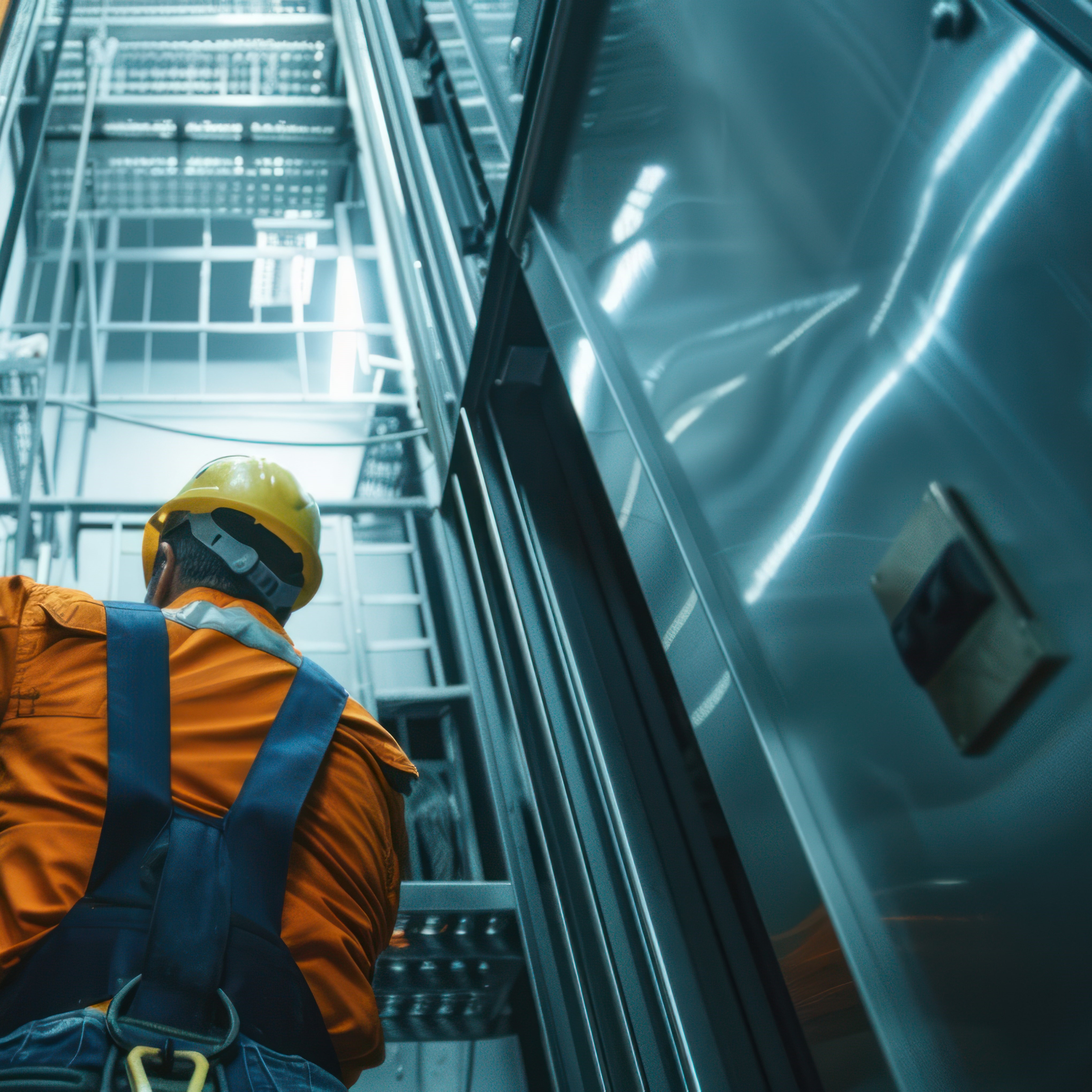

Integrating a private elevator into a modern villa is no longer just a luxury statement—it is a functional necessity that enhances accessibility, ensures multi-generational comfort, and elevates property market value. However, residential elevators operate under different spatial, aesthetic, and structural requirements than commercial high-rise lifts. Successfully selecting and installing a home elevator requires careful evaluation of drive technologies, structural shaft preparation, emergency safety features, and interior architectural finishes.
Evaluating Drive Technologies: Traction MRL vs. Hydraulic
The two primary systems utilized in modern residential architecture are Machine-Room-Less (MRL) Traction and Hydraulic drives:
- Traction MRL Systems: Powered by permanent magnet gearless motors and counterweights, these systems represent the pinnacle of energy efficiency and whisper-quiet performance. They consume minimal electricity (often running on single-phase or low three-phase domestic power) and require no oil. They deliver exceptionally smooth acceleration and higher travel speeds, making them ideal for villas spanning three to five levels.
- Hydraulic Systems: Driven by a hydraulic piston and fluid reservoir, these units are known for their compact footprint and simplicity in short two-story applications. However, they require space for a hydraulic tank, demand higher power spikes during ascent, and require periodic oil inspections.
For the vast majority of contemporary custom villas, compact gearless MRL systems provide the ideal balance of quiet operation, clean performance, and low ongoing maintenance.
Structural Considerations: Pit Depth and Headroom Clearances
In private homes, excavating a deep foundation pit or constructing an oversized concrete overrun on the roof can disrupt architectural layouts and compromise moisture barriers. Specialized home lifts are designed specifically around low-pit and low-overhead constraints:
- Pit Depth: While commercial elevators often require pit depths exceeding 1,200 mm to 1,500 mm, specialized residential lifts can function with minimal pits as shallow as 200 mm to 300 mm—or even sit flush on the finished floor using small entry ramps.
- Top-Floor Headroom: Home elevator engineering optimizes overhead space, requiring only standard residential ceiling heights (typically 2,600 mm to 2,800 mm) without needing unsightly rooftop machine boxes.
- Shaft Types: Homeowners can choose between integrated concrete shafts or lightweight, self-supporting panoramic glass and steel enclosures that fit neatly into open stairwells or exterior walls.
Safety Redundancies and Emergency Rescue Devices
Safety within a private residence must be completely intuitive and fail-safe, ensuring that children, elderly family members, or domestic staff are never stranded during utility cuts.
Every quality home elevator must incorporate an Automatic Rescue Device (ARD). In the event of a sudden municipal power cut, the ARD system immediately draws power from an uninterruptible backup battery, maneuvers the cabin gently to the nearest floor, levels accurately, and releases the automatic doors. Essential safety packages also include hands-free emergency communication systems, infrared door safety curtains to prevent door strikes, and full-perimeter overspeed safety blocks.
Custom Cabin Styling: Merging Engineering with Interior Design
A home elevator should feel like a natural extension of the residence’s interior decor. Modern home lifts offer extensive customization options, allowing architects and homeowners to select:
- Wall Finishes: Architectural hairline, brushed bronze, or mirror gold stainless steel, combined with warm wood veneers or full-height tempered safety glass.
- Flooring: Recessed cabin trays prepared to accept matching marble, porcelain tile, or parquet flooring continuous with the villa’s living areas.
- Ceiling & Control Fixtures: Indirect diffused warm LED lighting, integrated ceiling panels, and sleek capacitive touch-button plates with custom digital floor displays.
By balancing rigorous engineering, safety automation, and refined aesthetics, installing a residential elevator transforms a multi-story house into an accessible, elegant, and future-proof home.