
An elevator is one of the most mechanically demanding and safety-critical assets in any structure. Operating dozens or hundreds of times each day, it relies on thousands of synchronized electrical, mechanical, and safety components. Treating elevator upkeep reactively—waiting for a breakdown before dispatching a technician—is a costly and hazardous strategy. A disciplined, preventive maintenance framework is essential to maintaining uncompromised passenger safety, extending equipment lifespan, and protecting property value.
Preventive vs. Reactive Maintenance: A Crucial Distinction
Reactive maintenance creates an endless cycle of tenant frustration, unexpected repair invoices, and prolonged equipment downtime while awaiting hard-to-find components. Conversely, preventive maintenance relies on systematic, scheduled interventions designed to detect minor wear before it manifests as operational failure.
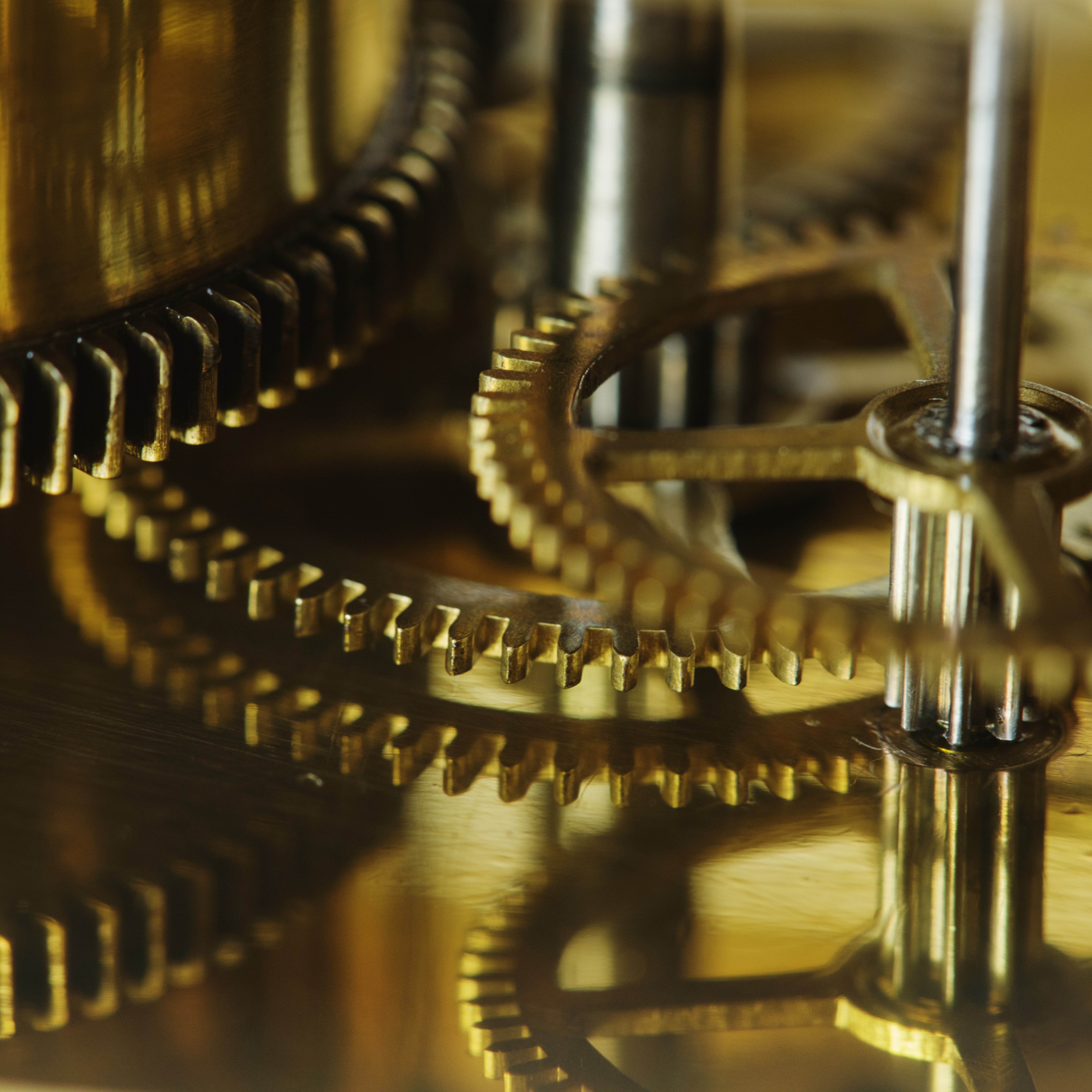
Trained elevator technicians conduct methodical inspections covering critical subsystems: checking wire rope tension and crown wear, testing hydraulic pressure or traction brake gaps, calibrating door operator belts, cleaning delicate sensor lenses, and evaluating electronic relay contacts. Addressing slight mechanical misalignments early prevents cascading damage across the machine and guide rails.
Passenger Safety and Code Compliance
Above all operational priorities, passenger safety remains paramount. Elevators are equipped with multiple redundant safety layers, including overspeed governors, safety gear wedges that mechanically grip the guide rails during emergency descent, door interlocks, and final limit switches. If an elevator is neglected, dust accumulation, lack of lubrication, or mechanical fatigue can degrade these fail-safe mechanisms.
Systematic preventive maintenance ensures that all safety systems undergo periodic physical tests under simulated fault conditions. Furthermore, rigorous maintenance logs establish full compliance with local civil defense codes, shielding property owners and facility managers from significant legal liabilities.
Eliminating Elevator Downtime and Tenant Disruption
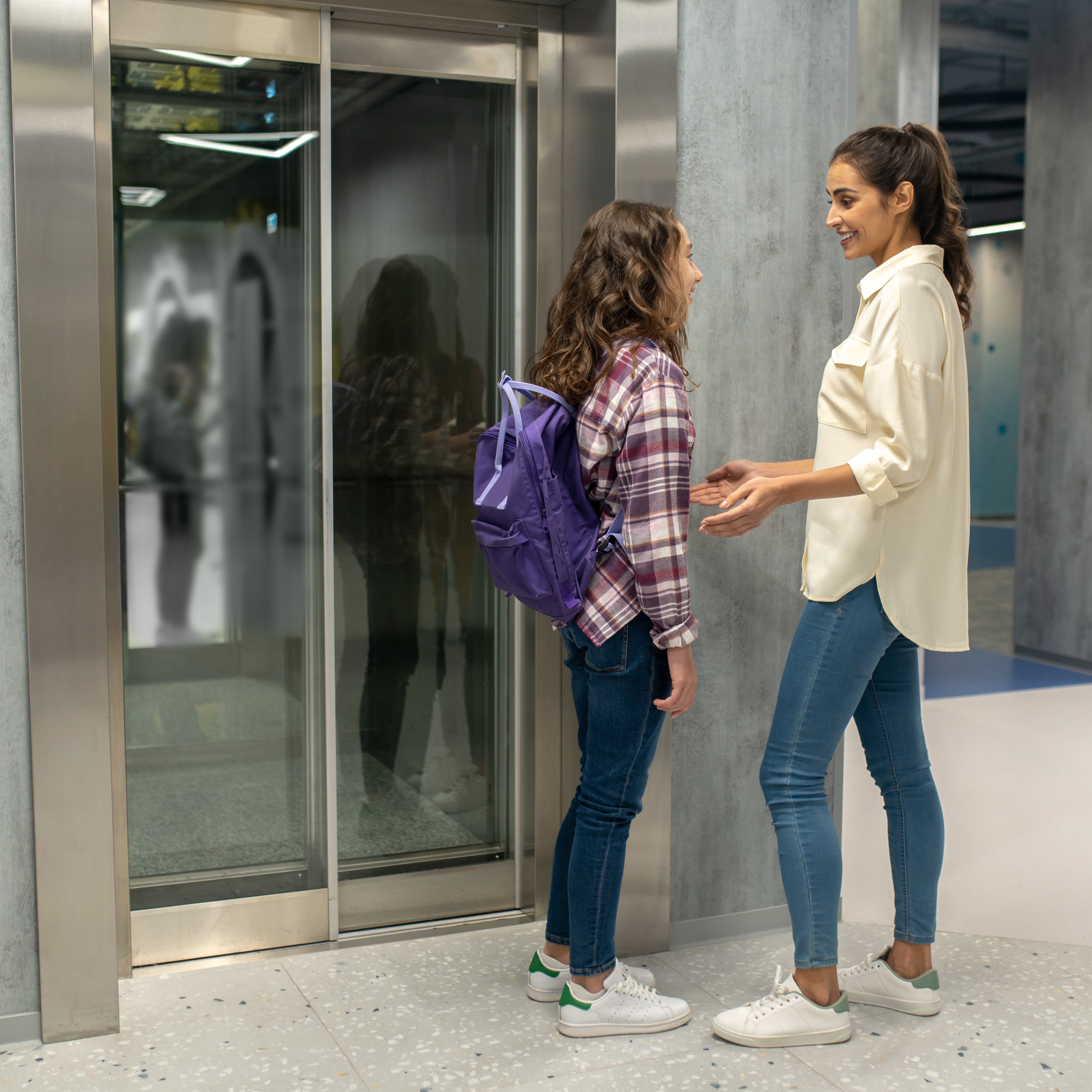
For commercial office buildings, hospitals, and residential towers, an out-of-service elevator creates major accessibility bottlenecks. Tenant dissatisfaction rises quickly when morning rush hours are paralyzed by a stalled lift.
Routine maintenance schedules focus heavily on the single most frequent cause of elevator faults: landing and cabin doors. Doors cycle through thousands of opens and closes daily, exposing tracks, hangers, and infrared sensors to dirt, debris, and misalignment. By cleaning guide sills, adjusting door motor torque, and checking light curtains during monthly visits, technicians eliminate up to 70% of common call-outs.
Extending Equipment Lifespan and Protecting Capital Investment
Replacing an entire elevator system requires substantial capital expenditure and significant disruption to building operations. Well-maintained elevator machinery can reliably operate for 20 to 25 years before requiring a comprehensive modernization. Neglected machinery often experiences motor burnout, premature sheave grooving, and controller failure within half that timeframe.
Routine lubrication of guide shoes reduces friction against the rails, clean power supply environments prevent inverter board burnout, and balanced counterweights reduce strain on the main drive motor. Preventive maintenance is not an overhead expense; it is asset preservation engineering.